Dental Implant Restoration: What Seniors Should Know


When Dentures Stop Feeling Like Enough

Maybe you've started steering clear of certain restaurants. Maybe you've caught yourself laughing a little more carefully, or pressing your lips together in photos. For a lot of people living with traditional dentures, there's a quiet negotiation happening every day: what can I eat, what can I say, what can I do without worrying something slips at the wrong moment.
It wears on you in a way that's hard to explain to someone who hasn't lived it.
If you've been wondering whether dental implants are simply off the table because of your age, they usually aren't. Implant restoration is a well-established option for most seniors, and age by itself is not a reason to rule it out. The process places a small post into the jawbone and restores it with a crown, bridge, or implant-supported denture, depending on what suits your situation.
Dr. Pham and the team at Capital Esthetics Family Dentistry in Vienna talk through these decisions with care and no judgment. Dentures remain a reliable solution for many people, and choosing to explore something different is personal. This article is for anyone quietly wondering whether there's more available to them. There is, and it's worth understanding what that actually looks like. To ask your questions directly, reach our Vienna office at (703) 255-0040.
What to Know First
- Age alone doesn't disqualify you from dental implants. Bone density, gum health, and overall health matter far more than the number on your birthday. If you're weighing your options, the team at Capital Esthetics & Family Dentistry in Vienna can help you find out where you stand.
- "Implant restoration" refers to the visible tooth (a crown, bridge, or denture) that attaches to the post placed in your jaw. The two are separate parts of one system.
- Long-term denture wear often leads to some jawbone shrinkage, but bone grafting can rebuild the site so implants remain possible.
- Healing centers on osseointegration, where the post bonds with bone over several months. A temporary restoration keeps you comfortable in the meantime. Dr. Pham will walk you through each stage so you always know what to expect.
Age Doesn't Disqualify You, But a Few Other Things Might
So what actually decides whether implants are a good fit? Your age isn't really part of the equation. What matters is what's happening in your mouth and your body right now.
Candidacy comes down to a few core factors:
- Bone density in the jaw. Implants need solid structure to fuse with and hold over the years.
- Gum health. Active gum disease needs to be treated before an implant goes in.
- Overall health. How well your body heals and responds to treatment plays a real role.
For most seniors, these are entirely workable. Some people do come in with situations that call for a closer look first. Uncontrolled diabetes can slow healing. Blood thinners may need coordination with your physician. Significant bone loss can prompt a grafting conversation before anything else. None of these shut the door; they simply mean the evaluation should be thorough and unhurried.
That's the pace we prefer at our boutique practice in Vienna. Fewer patients, more time, and a team that genuinely listens. When your health history needs careful thought, Dr. Pham would rather understand the whole picture than rush toward a recommendation that isn't right for you.
What "Restoration" Actually Means Here
Before any plan takes shape, it helps to get comfortable with one term that causes real confusion: implant restoration.
When people hear "dental implant," they often picture a single object. In practice it's a two-part system. The implant itself is a small titanium post placed into the jawbone, usually by an oral surgeon or a dentist trained in placement. That post is the root. The restoration is the visible part that attaches on top, the piece that looks and works like a tooth. At our Vienna practice, Dr. Pham focuses on that visible, functional part, crafting a restoration that fits your smile.
Depending on your situation, the restoration might be one of a few things.
A single crown
For replacing one missing tooth, a crown attaches to a single post and blends in with the teeth around it.
An implant-supported bridge
When several teeth in a row are missing, a bridge spans the gap while resting on implants rather than grinding down neighboring teeth for support.
An implant-supported denture
For more extensive tooth loss, a denture clips onto a small number of implants instead of sitting loosely on the gums.
Why does the distinction matter? Care isn't always linear. Some people arrive having already had the post placed elsewhere and simply need the restoration made and fitted. Others move between providers at different stages. Knowing which part of the process you're in helps you ask sharper questions and follow your own care with confidence.
How Bone Loss Affects the Process, and What Can Be Done
One of the most important pieces to understand going into an evaluation is how bone plays into everything. For many seniors this is the part that quietly worries them, so it's worth talking through plainly.
When a tooth is lost, the jawbone beneath it gradually shrinks. That can continue for years, especially under a denture that rests on the gum instead of anchoring into the bone. So if you've worn dentures for a long time, some bone loss has very likely occurred. That isn't a failing on your part. It's biology, and something we look at carefully during the evaluation.
Bone matters because an implant works by fusing directly with the jaw, a process called osseointegration. The bone grows around the post and locks it in place. For that to happen, there has to be enough bone to support and secure the implant over time.
When bone is lower than ideal, grafting is often a straightforward way forward. A graft rebuilds the jaw before the implant goes in, giving the post a stable foundation. It adds a step, but for many people it's the very thing that makes implants possible. Think of it as part of the plan, not a roadblock.
Bone loss doesn't automatically take implants off the table. It's one of several factors weighed before any decision is made, so you're never left guessing about what your bone structure means for your options or your timeline.
What Recovery Looks Like for Older Adults
Knowing a plan makes sense is one thing. Understanding what the weeks and months ahead will actually feel like is where the real questions tend to live.
Recovery revolves around osseointegration, the stretch of time when the post bonds with the surrounding bone. This usually takes several months, and it's the foundation everything else depends on. During that window, a temporary restoration keeps things comfortable and functional while the site heals. Follow-up visits let us watch how integration is progressing and address anything that comes up.
For older adults, healing timelines can vary. Certain health conditions influence how the body responds, which is worth discussing openly during your evaluation with Dr. Pham. Implant restoration has a strong long-term track record across age groups, including adults well into their 70s and beyond.
Once osseointegration is complete, placing the final crown or denture is typically a far simpler appointment than the placement itself. Most people find that final step much less involved than they expected. Throughout all of it, you never feel like you're figuring things out on your own. If questions come up between visits, call us at 703-255-0040 and we'll walk you through it.
Implant-Supported Dentures: A Middle Path Worth Considering
One option often gets overlooked in these conversations, and it deserves a closer look: implant-supported dentures.
A lot of people hear "implants" and imagine replacing every missing tooth individually. That picture can feel overwhelming, both physically and financially. Implant-supported dentures work differently. Instead of one implant per tooth, we place a few dental implants as anchors. The denture then attaches to those anchors, so it stays put rather than resting on the gums and relying on suction or adhesive.
That difference matters more than it may sound. Conventional dentures can shift when you eat or talk, which chips away at comfort and confidence over time. An anchored denture moves only when you want it to. For many seniors, that stability means a wider range of foods, clearer speech, and far less self-consciousness in everyday moments.
The benefits people notice most often include:
- Much less slipping or movement during meals and conversation
- Less gum irritation, since the denture no longer rubs and shifts
- Better chewing ability, which can support stronger nutrition over time
- A more natural feel than traditional removable dentures
The idea here isn't to push any single solution. It's to help you see what's genuinely available so you can choose what fits your life.
Starting the Conversation at Capital Esthetics
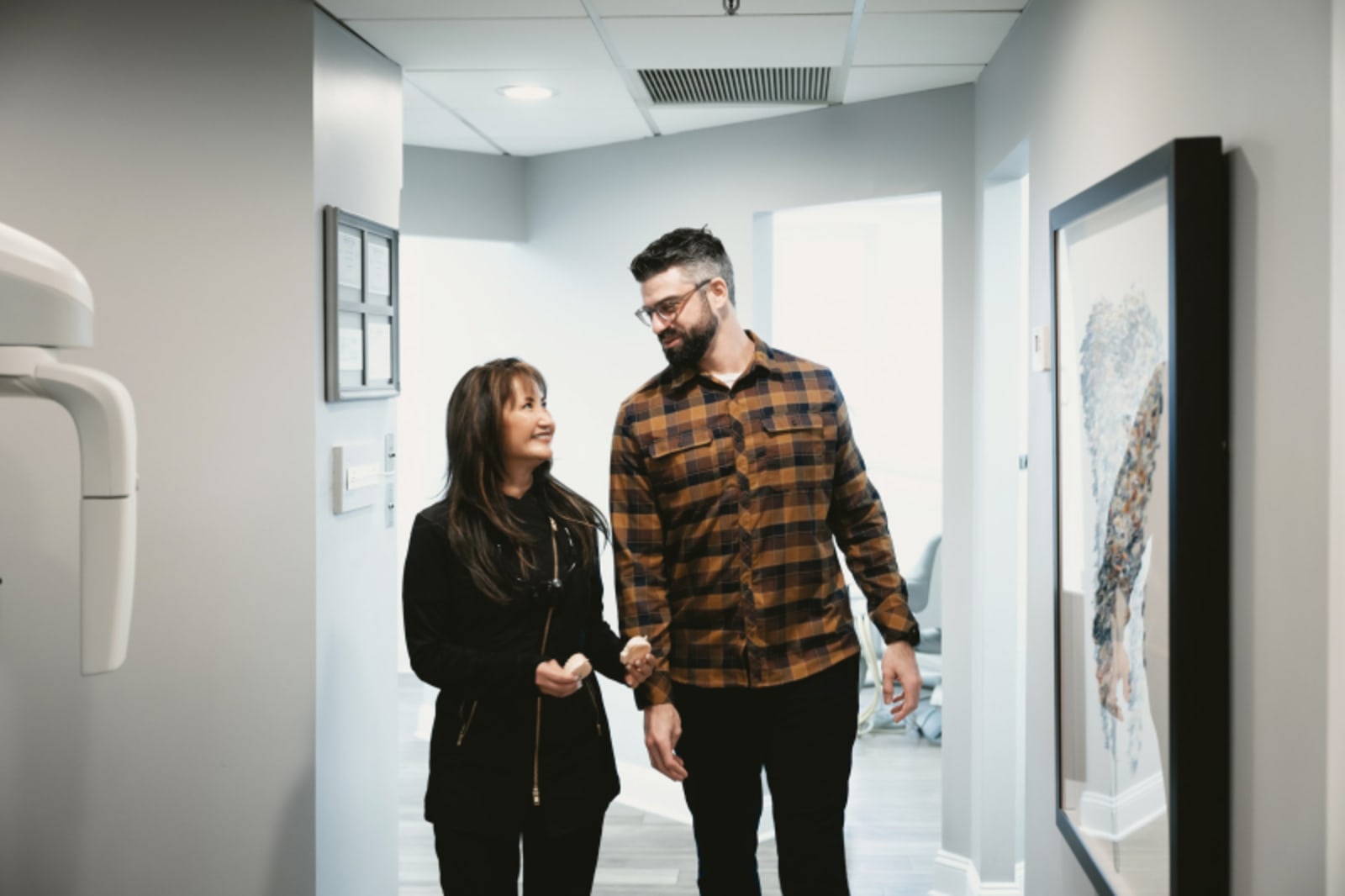
Many people arrive carrying questions they've held for months. Maybe you're wondering whether your bone density is enough, whether your health history rules anything out, or simply whether the whole process is worth it at this point in your life. Those are fair questions, and they deserve an answer built around your specific situation.
Our conversation starts with listening. Before anything is recommended, Dr. Pham takes time to understand your goals, your health history, and what you're hoping to get back. From there, she can walk you through what's realistic and lay out your options, including whether implant restoration is a good fit for you.
If you've been sitting on questions like these, a consultation is the clearest way to get real answers. Call our Vienna office at (703) 255-0040 whenever you're ready.
Let’s Talk!
We can’t wait to meet you.
Call 703-255-0040 or request an appointment online to set up your first visit. We’ll be in touch soon.